

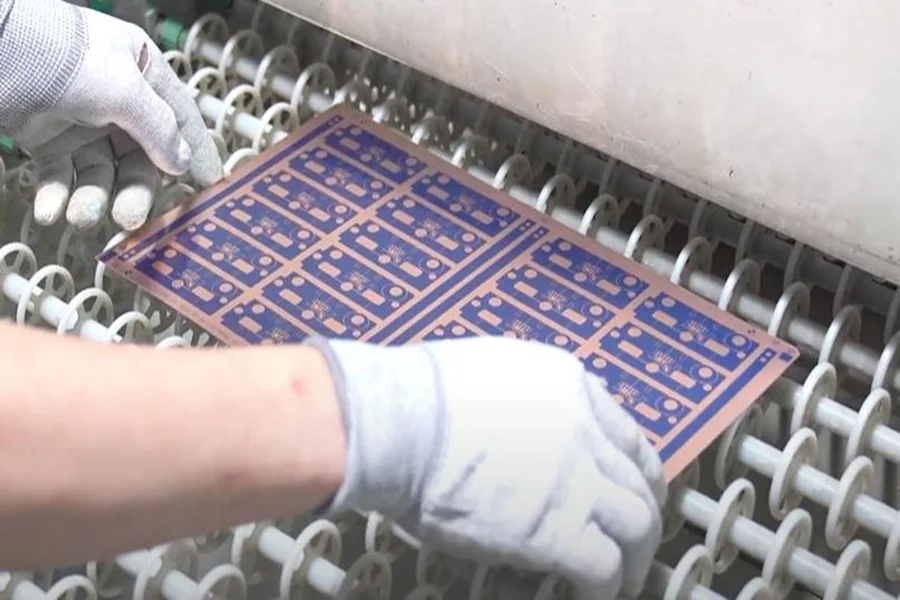
A metal core PCB board is a type of printed circuit board that uses a metal base—typically aluminum, copper, or a combination of metal alloys—instead of the traditional fiberglass substrate. This design offers superior heat dissipation, making it ideal for applications where components generate significant amounts of heat. Unlike standard FR4 boards, a metal core PCB board can efficiently transfer heat away from sensitive components, thereby increasing their reliability, lifespan, and overall performance. Due to these advantages, metal core PCB boards are widely used in LED lighting, automotive electronics, power supplies, and high-power industrial equipment.
Structure and Composition of Metal Core PCB Board
A typical metal core PCB board consists of three main layers. The first is the copper circuit layer, where the electronic pathways and connections are etched. This layer handles the electrical performance of the board. The second is the dielectric layer, a thermally conductive but electrically insulating material that ensures efficient heat transfer from the copper layer to the metal core. The final layer is the metal base layer, which serves as the heat sink and provides mechanical stability.
Aluminum is the most commonly used metal base due to its lightweight nature, cost-effectiveness, and excellent thermal conductivity. Copper bases are used for applications requiring even higher heat dissipation but are heavier and more expensive. Some designs also incorporate stainless steel for enhanced strength and durability, although it has lower thermal conductivity compared to aluminum and copper.
Advantages of Metal Core PCB Board
The primary benefit of a metal core PCB board is its exceptional ability to manage heat. In electronics, excessive heat can cause performance degradation, premature failure, and even permanent damage to sensitive components. By transferring heat efficiently to the metal core and away from critical areas, metal core PCB boards help maintain optimal operating temperatures.
In addition to superior thermal management, these boards offer improved dimensional stability. Unlike FR4 boards, which can warp under high temperatures, metal core PCB boards retain their shape and integrity. This stability is especially important in high-power applications and environments where electronics are exposed to continuous thermal cycling.
Another advantage is the reduced need for additional cooling components, such as heat sinks and fans. Since the metal core itself serves as a built-in heat sink, the overall design can be more compact and cost-efficient. This makes them an attractive option for engineers looking to optimize both performance and space.
Applications of Metal Core PCB Board
Metal core PCB boards are widely used in LED lighting systems, where heat buildup is a significant challenge. LEDs are highly sensitive to temperature changes, and excessive heat can reduce their brightness and shorten their lifespan. By using a metal core PCB board, LED systems can operate efficiently while maintaining consistent light output over time.
In the automotive industry, these boards are used in headlight assemblies, electronic control units (ECUs), and electric vehicle power management systems. The ability to withstand high operating temperatures and vibrations makes them ideal for harsh driving environments.
Power supply systems and motor controllers also benefit from the use of metal core PCB boards. High-current applications generate considerable heat, and the thermal conductivity of metal cores ensures reliable operation even under heavy loads. Additionally, aerospace, defense, and renewable energy systems often utilize metal core PCB boards for their durability and consistent performance in extreme conditions.
Manufacturing Process of Metal Core PCB Board
The manufacturing of a metal core PCB board begins with preparing the metal substrate. The dielectric layer is applied to the metal base to ensure electrical insulation while allowing maximum thermal transfer. Copper foil is then laminated onto the dielectric layer under heat and pressure, creating a solid bond.
Once laminated, the copper layer is patterned through photolithography and etching to form the circuit design. Drilling and via creation require special techniques, as metal bases are more challenging to machine than fiberglass. After drilling, plating processes are used to create conductive pathways. The board then undergoes solder mask application, surface finishing, and quality inspection before being shipped.
Due to the complexity of working with metal substrates, manufacturers must use specialized equipment and processes to ensure precision and reliability. This makes choosing the right production partner crucial for achieving high-performance results.
Future Trends in Metal Core PCB Board Technology
As electronic devices continue to become more compact yet more powerful, the demand for efficient thermal management solutions is expected to rise. Innovations in dielectric materials are allowing for even better thermal conductivity and thinner layers, resulting in improved heat transfer without increasing board thickness.
Additionally, multi-layer metal core PCB designs are gaining popularity in high-density applications, enabling engineers to integrate more functionality into smaller spaces while still benefiting from the thermal advantages of metal cores. With the growth of electric vehicles, high-power LED systems, and advanced industrial automation, the role of metal core PCB boards will continue to expand.
Choosing the Right Metal Core PCB Board Manufacturer
Selecting the right metal core PCB board manufacturer is essential for ensuring product quality, reliability, and performance. A skilled manufacturer should have expertise in handling metal substrates, advanced lamination and drilling equipment, and a strong quality control process. They should also be capable of customizing designs to meet specific thermal and mechanical requirements. By partnering with an experienced metal core PCB board manufacturer, you can ensure your electronics achieve optimal thermal performance, durability, and efficiency, whether for LED systems, automotive electronics, or industrial power solutions.
