

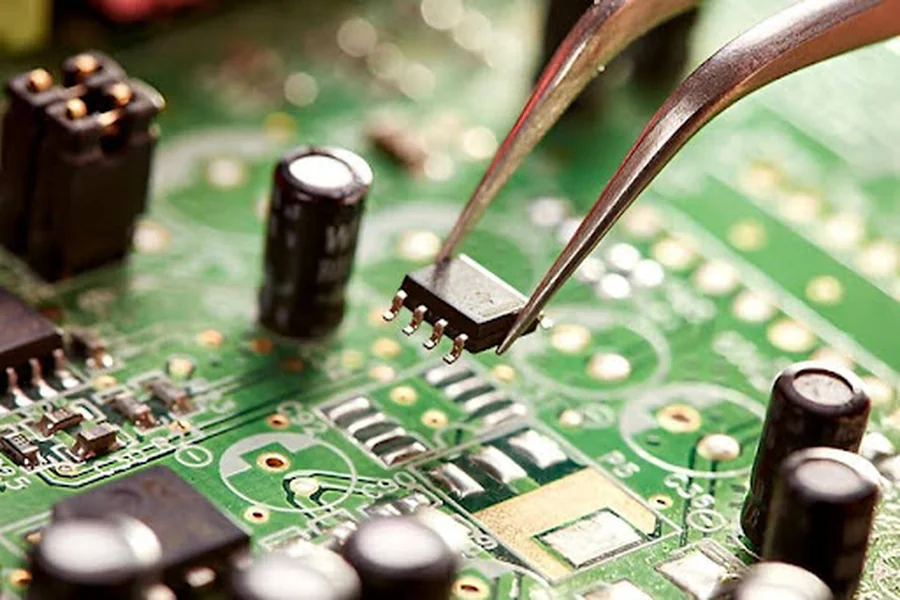
Prototype PCB assembly plays a vital role in the evolution of any electronic device, serving as the bridge between circuit design and full-scale production. Before a product reaches the market, engineers need to ensure that every component functions exactly as intended. This verification process happens through prototyping, where a limited batch of printed circuit boards (PCBs) is assembled and tested. The goal is to identify potential design flaws, confirm performance standards, and refine the layout for efficiency and durability.
A well-executed prototype PCB assembly ensures that the final product not only meets electrical and mechanical requirements but also remains cost-effective and manufacturable. It provides a tangible way to validate concepts, test materials, and refine circuit paths before moving to volume production.
Why Prototype PCB Assembly Is Crucial for Product Development
The early stages of electronic design are full of uncertainties. Even with advanced simulation tools, some performance characteristics only become apparent once a physical prototype is built. That’s where prototype PCB assembly proves indispensable.
By assembling a small batch of boards, engineers can evaluate critical parameters like power distribution, signal integrity, and heat dissipation. This testing phase helps detect design weaknesses, component misplacements, or soldering inconsistencies before they turn into large-scale manufacturing issues.
Additionally, prototype PCB assembly enables iterative development. Designers can quickly modify schematics, reassemble new versions, and compare performance results, leading to an optimised final design. This iterative feedback loop shortens time-to-market and enhances overall product quality.
Key Steps Involved in Prototype PCB Assembly
The process of assembling a prototype PCB follows a series of carefully controlled steps to ensure high precision and repeatability.
-
Design and Layout Verification
Before assembly begins, engineers thoroughly inspect the Gerber files and design schematics. Any errors in layout or spacing could result in short circuits or poor signal transmission. Design verification ensures that the board is manufacturable and compliant with industry standards.
-
Material Selection
Material choice directly affects performance, cost, and reliability. FR4 remains the most common base material, offering a good balance between cost and functionality. However, for high-frequency or high-heat applications, substrates like aluminium or polyimide are preferred.
-
Component Procurement
Sourcing reliable components is critical in prototyping. Components are selected based on availability, specifications, and compatibility with the design. During this phase, engineers may also evaluate alternative components to reduce future production costs.
-
Assembly Process
The actual assembly involves precise placement and soldering of electronic components. Two main techniques are used:
- Surface Mount Technology (SMT): Components are mounted directly onto the PCB surface using automated pick-and-place machines.
- Through-Hole Technology (THT): Leads of components are inserted into pre-drilled holes and soldered manually or using wave soldering.
In many cases, a hybrid approach combining both SMT and THT methods is used for complex prototypes.
-
Inspection and Testing
After assembly, boards undergo rigorous inspection and testing. Automated Optical Inspection (AOI), X-ray analysis, and functional testing detect any solder defects, missing components, or connectivity issues. This ensures that the prototype performs exactly as designed.
Benefits of Professional Prototype PCB Assembly
Partnering with an experienced prototype assembler offers numerous advantages that go beyond basic functionality testing.
Reduced Design Risk
A professionally assembled prototype minimises errors that might go unnoticed during manual assembly. Automated equipment ensures precision placement and consistent solder quality, greatly reducing the risk of faulty connections.
Faster Turnaround
Speed is crucial in the product development cycle. Rapid prototyping services can deliver assembled boards within days, enabling quicker testing and faster design revisions.
Accurate Performance Evaluation
Professional prototype PCB assembly guarantees that the prototype behaves like the final product. Engineers can accurately assess electrical performance, durability, and heat dissipation without worrying about assembly-related inconsistencies.
Scalability for Mass Production
Prototyping is not just about testing performance — it’s also about preparing for mass production. A reliable prototype assembly process helps manufacturers determine the best assembly techniques and component sourcing strategies for scaling production efficiently.
Challenges in Prototype PCB Assembly
While prototyping accelerates innovation, it also presents challenges that require technical expertise and precision handling.
Component Availability
Certain components used in design may have long lead times or may become obsolete, forcing engineers to find substitutes quickly without affecting performance.
Miniaturisation and High Density
As modern devices become smaller, components are packed closer together. This increases the risk of short circuits and demands advanced soldering and inspection techniques.
Thermal Management
In high-power applications, managing heat dissipation becomes essential. Material choice and design layout must support effective thermal regulation to prevent overheating during operation.
The Role of Testing in Prototype PCB Assembly
Testing is the final and most critical phase in prototyping. Each board undergoes multiple levels of examination to verify electrical functionality and mechanical integrity. Common testing methods include:
- In-Circuit Testing (ICT): Checks for proper connectivity, component placement, and soldering accuracy.
- Functional Testing: Validates that the assembled PCB performs as intended within the system.
- Environmental Testing: Simulates real-world conditions like temperature changes, vibration, and humidity to assess reliability.
Comprehensive testing ensures that when a design moves to mass production, there are no hidden issues that could affect quality or lifespan.
Conclusion: Partner with a Trusted PCB Assembly Company
A well-executed prototype PCB assembly is the foundation of a successful electronic product. It transforms ideas into tangible, testable solutions, reducing risk and ensuring design efficiency. Partnering with an experienced PCB assembly company allows businesses to take full advantage of modern assembly technologies, advanced testing, and expert engineering support. Whether developing consumer electronics, automotive systems, or industrial equipment, choosing the right partner ensures that every prototype performs flawlessly and sets the stage for a smooth transition into large-scale manufacturing.
